Find it. Pin it. Share it.
A community map for finding, pinning, and sharing abandoned or underused properties so local vacancy is more visible.
Community Plans
Help improve your neighbourhood by identifying abandoned or underused properties that people already know about locally. Abando turns those observations into a simple shared map.
- Pin a place
Add the location of an abandoned or underused property
- Add local context
Upload photos and write down what people can see from the street
- Build the public record
Help create a clearer community map of vacancy and reuse potential
About Abando
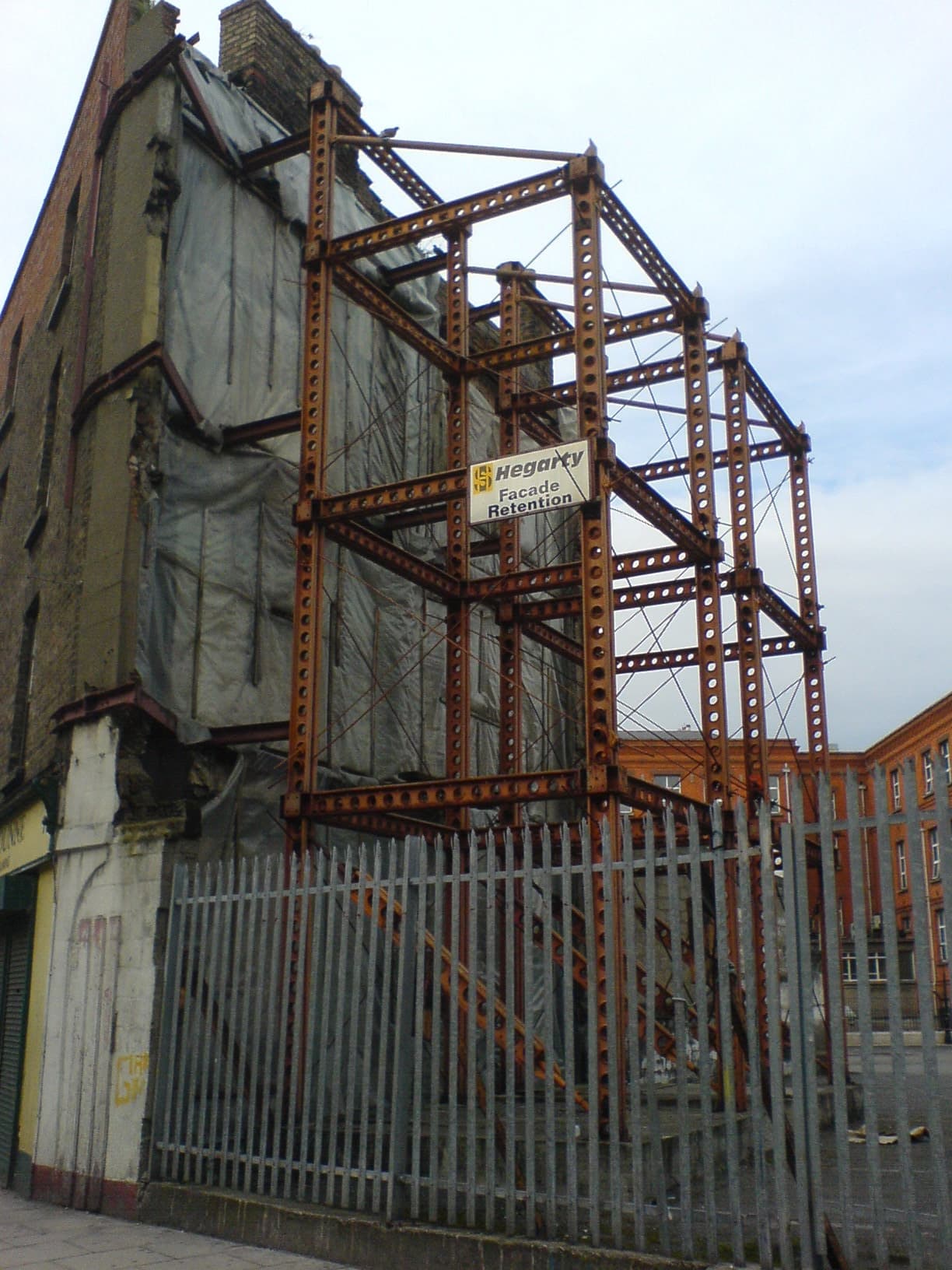
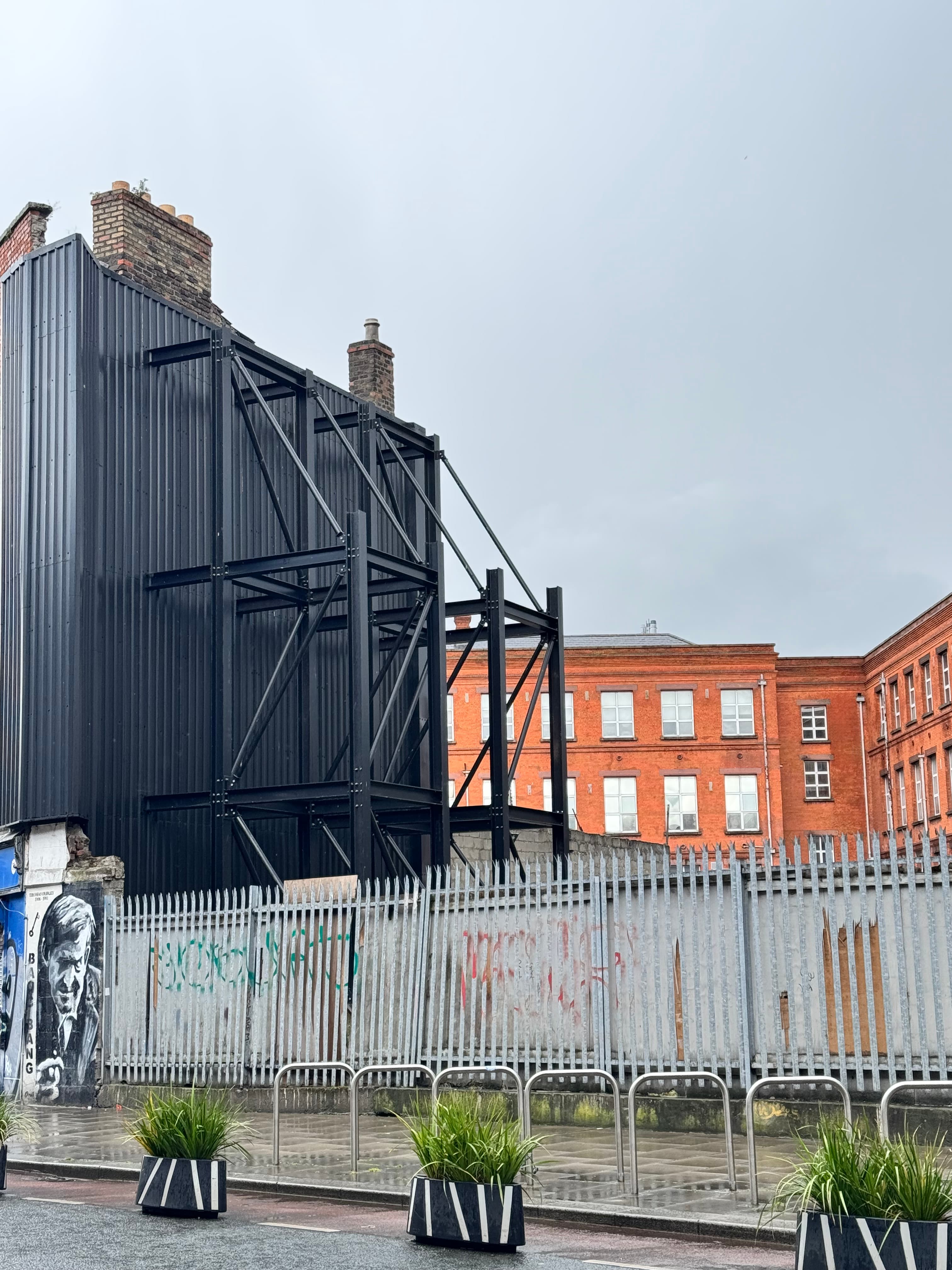
Around twenty years ago, Peter Kable began photographing and recording abandoned properties in Dublin. Many of those buildings were already familiar gaps in the city: fenced, weathered, and waiting for a future use.
Some are still neglected and unused today. Abando grew from that long view of vacancy into a practical community plan: make underused buildings and sites visible, understandable, and easier to discuss locally.

Peter Kable
Abando is a passion project by architect Peter Kable, created to help communities and decision-makers understand the scale of Ireland’s abandoned and underused property. Through a shared national map, it aims to support the people and organisations capable of turning neglected buildings and sites into homes, workplaces and community assets.